Living in Boston’s Seaport: Waterfront Condo Life
April 2, 2026
April 2, 2026
If you want a Boston lifestyle where waterfront views, newer condo buildings, and walkable dining all come together, the Seaport District likely stands out fast. For many buyers, the big question is whether the area feels like a real neighborhood or just a polished destination. The answer is more nuanced, and that is exactly what makes Seaport worth a closer look. In this guide, you’ll get a practical look at condo living in Boston’s Seaport, what daily life actually feels like, and who this waterfront setting may suit best. Let’s dive in.
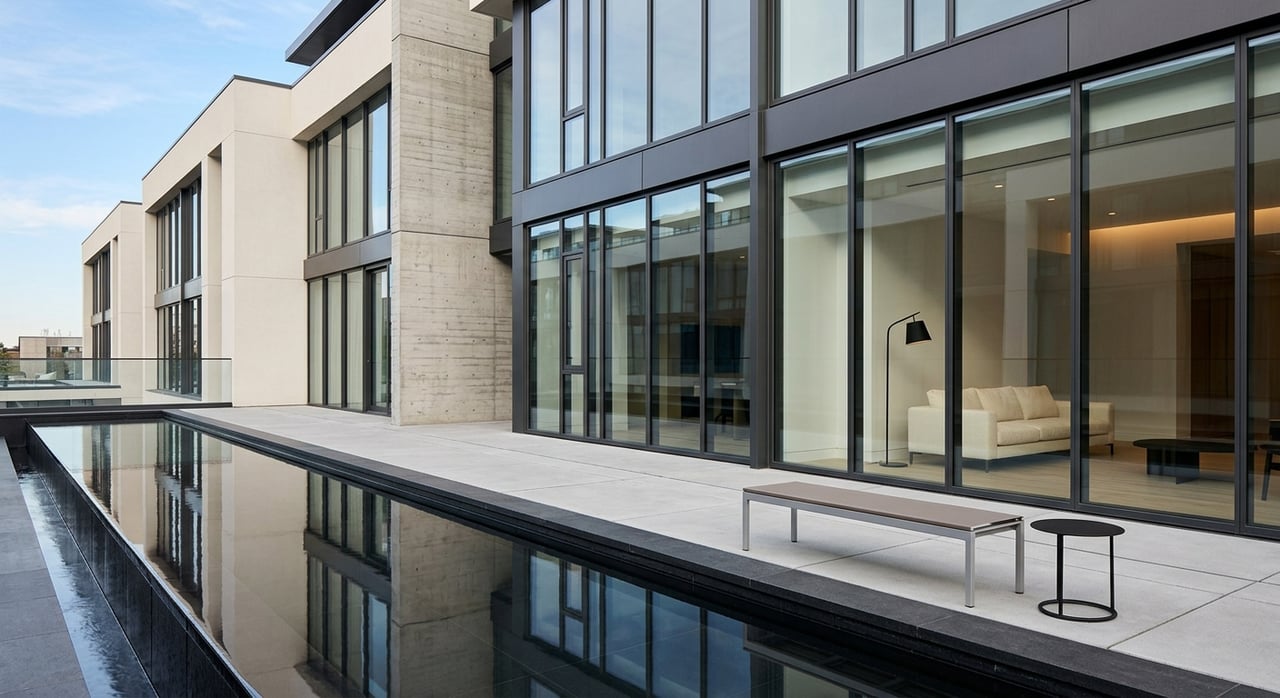
Boston’s Seaport District, often called the South Boston Waterfront, feels different from many of the city’s older neighborhoods. Instead of historic brownstones and narrow residential blocks, you’ll find a more modern, mixed-use waterfront environment built around newer residences, public spaces, and commercial activity.
That modern character is a big part of the appeal. The neighborhood connects urban living with water views, contemporary buildings, and an active public realm. The Boston Harborwalk runs through the area as part of a nearly 40-mile public waterfront path, giving you a strong sense of place right at the edge of the harbor.
Seaport also sits within the broader context of South Boston, which the City of Boston describes as an urban neighborhood with industrial roots that has evolved into a highly desirable residential area with parks and amenities. In many ways, Seaport is the newest and most waterfront-focused version of that shift.
If you are considering homeownership here, condos are the dominant housing type to know. Seaport is heavily shaped by newer full-service residential towers and mixed-use buildings, so the ownership experience is often very different from what you would find in a triple-decker conversion or a traditional rowhouse condo elsewhere in Boston.
A useful example is 50 Liberty at Fan Pier, which the City describes as a 120-unit residential condominium building with retail, restaurant, and civic or cultural space. Larger projects also set the tone for the area. According to official project materials cited by the City, EchelonSeaport includes 717 residences, with 447 condos and 270 apartments, plus about 60,000 square feet of indoor and outdoor amenities.
That building profile helps explain why Seaport often appeals to buyers who want a low-maintenance, amenity-rich home base. Depending on the building, that can mean features like lounges, pools, wellness spaces, gathering areas, and a more service-oriented lifestyle. For some buyers, that is a primary residence solution. For others, it may work well as a part-time city home.
When you shop for a Seaport condo, you are often choosing more than the unit itself. You are also choosing a building experience.
That can include:
If you value convenience, lock-and-leave simplicity, and a polished building environment, Seaport can check a lot of boxes.
In some neighborhoods, the water is a backdrop. In Seaport, it is part of your routine. The Harborwalk gives residents direct access to walking routes along the waterfront, and that shapes the neighborhood’s rhythm in a real way.
Public space is another major piece of the lifestyle. The city has emphasized protected open spaces, elevated harborwalks, and flood barriers in this area because the waterfront edge faces sea-level-rise and storm-surge risk, according to the Boston Harborwalk overview. That planning focus is important if you are evaluating not just the scenery, but the long-term design of the district.
You also have access to places like Martin’s Park, which the City describes as an inclusive, climate-resilient park on Sleeper Street. For buyers who want outdoor access without giving up an urban setting, this balance is a meaningful part of Seaport’s draw.
One of the strongest lifestyle advantages in Seaport is how easy it is to step outside and find something to do. The neighborhood has a concentrated mix of restaurants, bars, rooftops, and entertainment venues within a relatively short walk of many condo buildings.
The Seaport Hotel’s neighborhood dining guide highlights well-known local spots such as Legal Harborside and the Barking Crab. Time Out has also noted that Borrachito Taqueria & Spirits stays open late and includes a hidden cocktail-bar element, while Boston.com reported that Grace by Nia added both dining and live music energy to the area’s nightlife mix.
Seasonal programming adds another layer. Events like Snowport help reinforce Seaport’s reputation as a neighborhood with event-driven public life, not just residential towers and office buildings.
Seaport’s social and entertainment mix can be a strong fit if you want:
If you prefer a quieter, more traditional streetscape, the area may feel busier and more programmed than other parts of Boston.
For many residents, yes. Seaport is set up for multimodal commuting rather than a car-dependent lifestyle, and that is one of its biggest practical advantages.
According to Massport’s public transportation information, the Silver Line 1 connects Logan Airport, South Station, and the Seaport District. Boston’s commuter ferry links North Station to the South Boston Waterfront, and Bluebikes adds public bike-share access across Metro Boston.
The city is also redesigning streets such as Congress Street, A Street, and Sleeper Street with wider sidewalks, safer crossings, street trees, and separated bike lanes, according to the Martin’s Park project page. That investment supports the neighborhood’s walkable feel and makes everyday movement more flexible.
Living here may make sense if you want:
At the same time, Seaport parking is actively managed and priced, not designed like a suburban environment. If you rely heavily on a car, that is an important lifestyle factor to weigh.
If you are deciding between Seaport and places like Back Bay or the South End, the biggest difference is the housing experience. Seaport feels newer, more amenity-driven, and more purpose-built for a modern urban lifestyle.
Older Boston neighborhoods often offer historic architecture, more established residential blocks, and a very different visual character. Seaport, by contrast, is defined by towers, mixed-use development, waterfront access, and a concierge-style condo model that is harder to find in many legacy neighborhoods.
That does not make one better than the other. It simply means your best fit depends on what matters most to you. If your priority is contemporary construction, building services, and immediate access to dining and transit, Seaport can be very compelling.
Compared with nearby suburbs, Seaport offers a different set of tradeoffs. You are generally choosing less private outdoor space and fewer detached-home options in exchange for more walkability, easier transit access, and immediate proximity to restaurants, entertainment, and the waterfront.
For some buyers, that trade is easy. If you want a home where you can step outside and be in the middle of city life within minutes, Seaport offers that in a way many suburban locations cannot.
For others, space and a quieter daily pace may matter more. That is why it helps to think beyond the view and ask how you want your day-to-day life to function.
The answer can be both. Based on the building stock and ownership profile, Seaport works well for buyers seeking a full-time residence with convenience and amenities, and it can also suit those looking for a lower-maintenance city home.
If you travel often, value building services, or want an easier ownership model than an older property may offer, Seaport has a lot going for it. If you want a highly traditional residential setting with more architectural history, you may find a better match elsewhere.
The key is to evaluate the whole package: the building, the monthly ownership costs, the surrounding activity level, the transit setup, and how often you will actually use the neighborhood’s amenities.
Before you buy a condo in Seaport, it helps to focus on the details that shape everyday ownership.
Ask yourself:
These questions can help you narrow the field quickly and avoid falling for a building that looks great on paper but does not fit how you actually live.
If you are weighing Seaport against other Boston neighborhoods or inner-ring communities, a side-by-side strategy can save time and make your decision more confident. If you want help comparing condo options, financing considerations, or the tradeoffs between new construction and older housing stock, Zahra Zoglauer offers a high-touch, consultative approach grounded in local market knowledge.

Experience a real estate journey defined by dedication, personalized service, and a deep understanding of Massachusetts’ vibrant communities. Whether you’re buying, selling, or simply exploring, Zahra’s expert guidance ensures a smooth and rewarding process tailored to your needs.