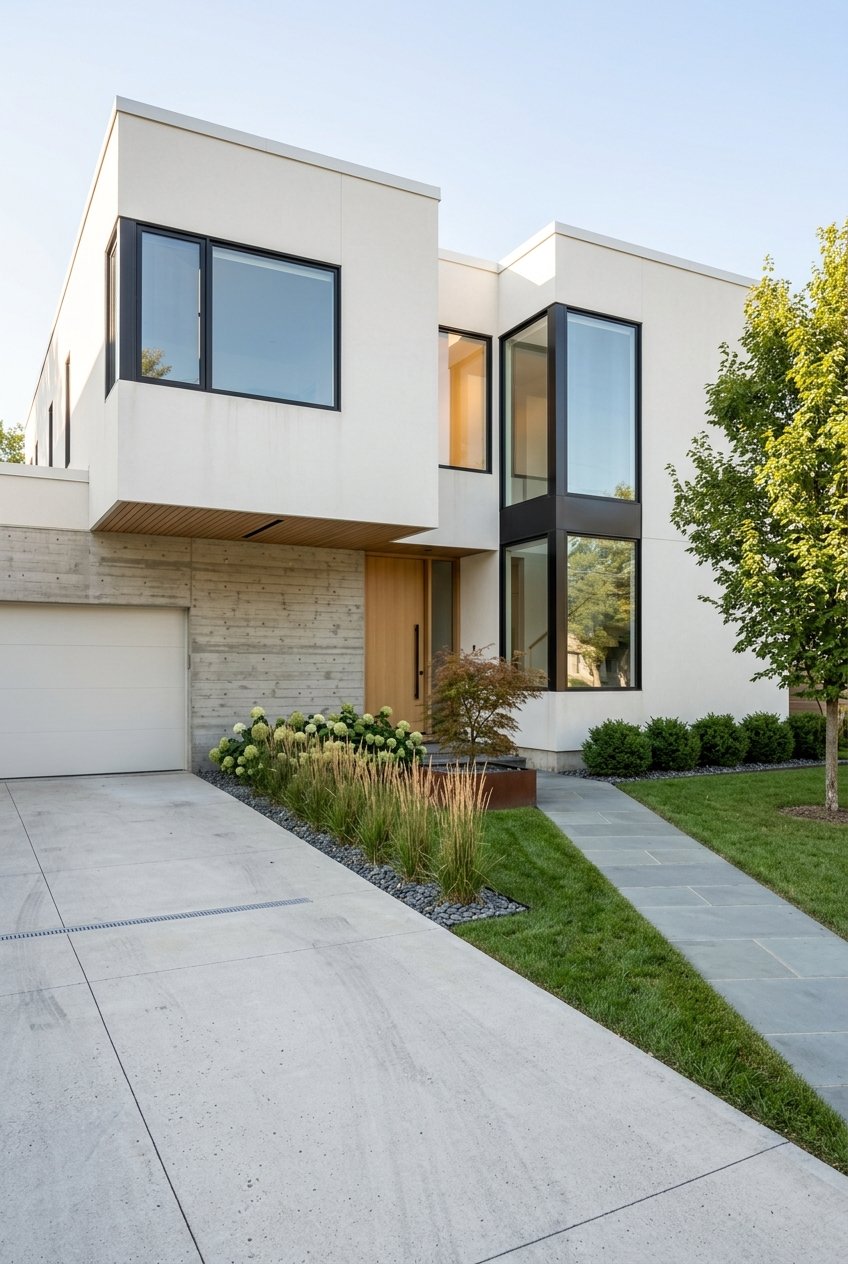
Newton MA New Construction: What Buyers Should Know
May 14, 2026
May 14, 2026
Thinking about buying a brand-new home in Newton, or eyeing an older property that could become one? You are not alone. In Newton, many buyers are drawn to new construction for the fresh finishes and modern systems, while others see opportunity in a smaller older home on a larger lot. The challenge is that a tear-down or replacement-home purchase can look simple from the street but involve zoning, demolition review, and code issues that shape what is actually possible. This guide will help you understand where new construction tends to happen in Newton, how lots are evaluated, and what to compare before you make a move. Let’s dive in.
Newton does not revolve around one traditional downtown. Instead, it is organized around village centers like Newton Center, Newtonville, Nonantum, and West Newton, with additional village and transit-oriented areas such as Auburndale, Newton Highlands, Eliot, and Waban playing a key role in how development is distributed.
That matters because Newton’s Village Center Overlay District is designed to expand housing and commercial opportunities near transit, amenities, and gathering spaces. In practical terms, that means mixed-use projects and larger multifamily development are more likely to cluster in village centers and transit-accessible locations, while most single-family new construction still happens as replacement homes on existing lots.
City planning materials also note that Newton has very little vacant or underused residential land. As a result, the most common single-family pattern is not building on empty land. It is tearing down an older home and replacing it with a new one.
City staff presentations describe roughly 100 tear-downs per year in Newton. The broader housing strategy points to a limited supply of buildable land and continued demand for detached single-family homes as major reasons this trend persists.
That means many of the homes you see marketed as “new construction” were not created from raw land. They often started as an existing house on a parcel that could support a larger replacement home under current zoning rules.
For buyers, this is important because the lot often matters as much as the house. A dated home on a favorable parcel may carry value because of what can be built there, not just because of its current condition.
If you are considering land value or redevelopment potential, start with the basics: zoning district, lot size, and frontage. Newton’s floor area ratio, or FAR, is one of the best-known rules, but it is only one part of the picture.
The city says FAR works together with other dimensional controls, including setbacks, height, lot coverage, minimum lot size, and open-space requirements. In other words, a lot may seem large enough on paper, but the actual buildable envelope can shrink once those rules are applied.
Newton advises buyers to verify the zoning district and lot size through the Assessor’s database, zoning map, and FAR calculator. That step can save you from assuming a parcel can support a certain home size when the setbacks or frontage say otherwise.
Frontage can be a deciding factor in whether a lot works for a larger replacement home. The city’s zoning examples show how standards differ by district:
These standards help explain why two lots with similar square footage may not have the same redevelopment potential. If one lot is narrower or has more restrictive setbacks, the final home may need to be smaller or redesigned.
Newton’s analysis of 2017 through 2023 tear-downs found 483 citywide. Of those, only 44 were on narrow lots with less than 60 feet of frontage.
That is a useful clue for buyers. Narrow lots make up 17% of residential lots but only 9% of tear-downs, which suggests the more typical candidate is a smaller post-war home on a larger parcel with lower assessed value. In plain English, bigger and more workable lots tend to be stronger replacement-home candidates.
A tear-down or major rebuild in Newton is not just about design and budget. Timing can shift based on permitting, historic review, and energy-code requirements.
Newton’s Inspectional Services Department handles permits for construction, reconstruction, alteration, repair, demolition, and occupancy through the city’s NewGov portal. The city also limits construction noise to set hours, generally Monday through Friday from 7 a.m. to 7 p.m. and Saturday from 8 a.m. to 7 p.m.
Those rules may sound routine, but they affect project scheduling. If you are buying with a target move-in date, it is wise to treat the timeline as a real due diligence item, not an afterthought.
In Newton, demolition review is one of the biggest issues buyers should understand before purchasing an older home for replacement. Review is triggered when a building permit is sought for a structure that is 50 years old or older.
If the property is found historically significant, the delay can last 12 months. If the property is eligible for or listed on the National Register, the delay can extend to 18 months.
Newton also has four local historic districts: Auburndale, Chestnut Hill, Newtonville, and Newton Upper Falls. In those districts, exterior and site changes require district review, which can add another layer to planning and approval.
One detail many buyers miss is that if a property is already under demolition delay and ownership changes, the delay period restarts. That can materially change the value and timing of a purchase.
Energy requirements are also shaping new construction and major renovations in Newton. The city says all new construction and major renovation projects must use electricity instead of fossil fuels for heating, cooling, cooking, clothes drying, and hot water.
The city also states that complete building permit applications received after January 1, 2024 are subject to the Specialized Code. As of January 1, 2026, major renovations and additions over 1,000 square feet must be fully all-electric.
For buyers, that means your cost assumptions should reflect current code, not older building habits. Mechanical systems, appliances, and project scope should all be evaluated with these requirements in mind.
If you are deciding between a new build, a renovated older home, or a land purchase with tear-down potential, it helps to compare more than finishes and price per square foot. In Newton, the smarter comparison is often about risk, flexibility, and timeline.
A completed new home can offer convenience. You may get modern systems, current code compliance, and a move-in-ready layout without taking on permitting or construction management yourself.
But you should still look closely at the site work. Newton’s tear-down analysis notes that typical new builds are often 2,000 to 3,000 square feet larger than the homes they replace and may require major grading and tree removal. That makes drainage, utility routing, lot grading, and the builder’s specification sheet important parts of due diligence.
A renovated older home can be a strong middle ground if you want character, a more established setting, or less redevelopment risk. It may also offer a path to adding usable space without a full tear-down.
Newton allows one accessory dwelling unit on a single- or two-family property regardless of zoning district. Some internal or detached ADUs are allowed by right up to 1,000 square feet, with larger options possible under certain conditions or by special permit.
The city also notes that finishing an existing attic or basement within the existing envelope does not count against FAR. For buyers who want more room but do not need a brand-new replacement house, that can be a meaningful advantage.
A land or tear-down purchase usually makes the most sense when the parcel can support your target home after applying setbacks, FAR, coverage, and open-space rules. It also works best when you are prepared for demolition review, possible delay, and code-driven costs.
This is where disciplined analysis matters. The redevelopment upside may be real, but so are the constraints. In Newton, strong resale is often tied to a home that fits the street context rather than overwhelming it.
Before you buy new construction or a potential tear-down in Newton, make sure you can answer these questions:
Newton is one of those markets where the details behind the listing matter just as much as the photos. Two homes can look similar online and have very different redevelopment potential, timeline risk, or long-term resale appeal.
That is why buyers benefit from guidance that blends market knowledge with construction and finance fluency. When you understand the lot, the code, and the permitting path early, you can make a more confident decision and avoid expensive surprises later.
If you are weighing a new build, evaluating a renovation, or considering a lot with tear-down potential in Newton, Zahra Zoglauer can help you assess the property with a practical, informed strategy.


Experience a real estate journey defined by dedication, personalized service, and a deep understanding of Massachusetts’ vibrant communities. Whether you’re buying, selling, or simply exploring, Zahra’s expert guidance ensures a smooth and rewarding process tailored to your needs.