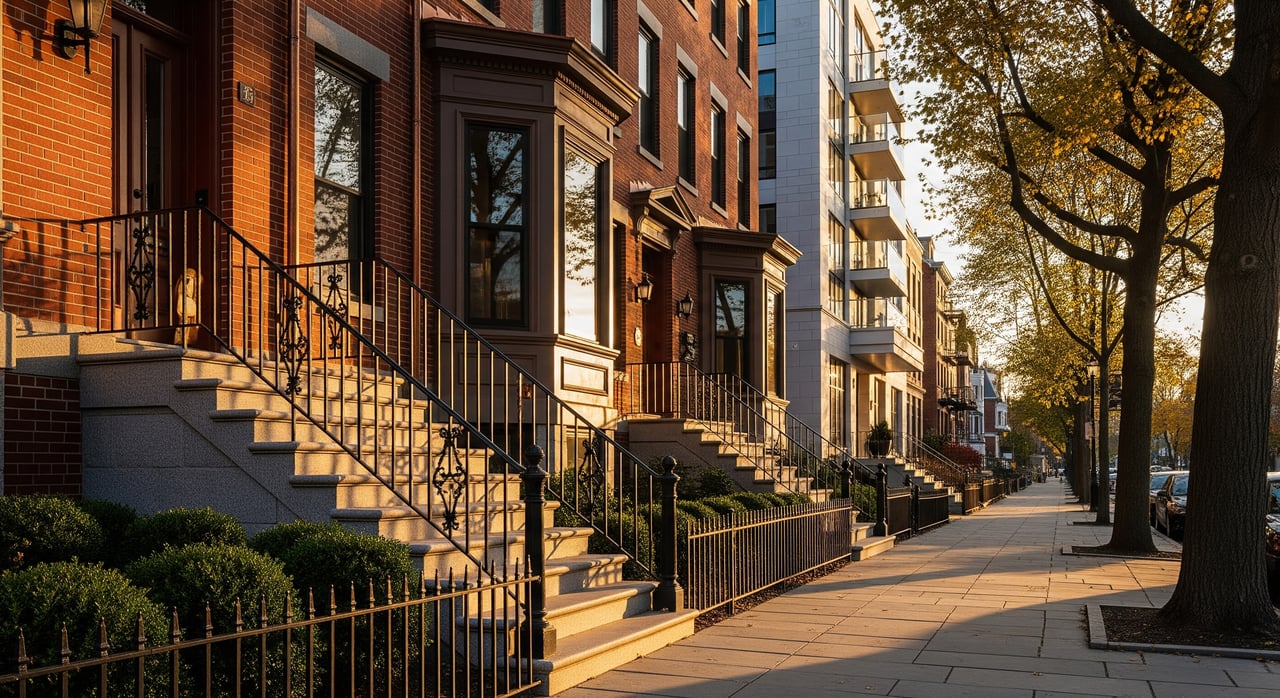
Condo vs Townhouse in Arlington MA: Choosing Smart
January 15, 2026
January 15, 2026
Trying to decide between a condo and a townhouse in Arlington can feel tricky. You want the right balance of cost, space, privacy, and commute convenience, especially with so much demand near Cambridge and the Red Line. The good news is you can make a confident choice once you understand how each option works in Massachusetts and how that plays out in Arlington’s neighborhoods. In this guide, you’ll compare costs, maintenance, parking, privacy, transit access, and resale so you can pick the best fit. Let’s dive in.
Condo = ownership structure. In Massachusetts, a condominium is defined by the Massachusetts Condominium Act and describes owning your individual unit plus a shared interest in common areas. Association bylaws and budgets guide how the building is run and maintained. You can review the law in Chapter 183A of the Massachusetts General Laws.
Townhouse = building style. A townhouse is an attached, often multi‑story home with a private entrance and sometimes a small yard. In Arlington, a townhouse might be fee‑simple ownership, a condo within an association, or part of a homeowner association. The same townhouse building type can come with very different responsibilities.
What this means for you: always verify whether a townhouse listing is fee‑simple or a condo. Check the seller’s condo documents and local records. You can start with the Town of Arlington website for assessor and land information.
Arlington sits in Middlesex County, close to Cambridge and the Cambridge‑Newton‑Framingham corridor. Demand is strong for homes with easy transit or bike access into Cambridge and Boston. Inventory is often tight, so small differences in location and amenities can have a big impact.
Condos often have a lower entry price than fee‑simple townhouses nearby, but not always. Size, condition, parking, and transit access can shift prices in either direction. Townhouses that live like single‑family homes usually command more because of private space and ownership control.
Property taxes are set by the town and applied to the assessed value of each property. If you are comparing two homes, check how assessed values and tax rates apply to condos versus houses on the Town of Arlington site.
Condo associations and many townhouse HOAs collect monthly fees for shared expenses. Typical coverage includes exterior insurance on the building’s shell, common‑area maintenance, snow removal, landscaping, utilities for shared spaces, and contributions to a replacement reserve for big projects like roofs.
A fee‑simple townhouse with no association usually has no monthly HOA fee. You take on all exterior upkeep, structure insurance, and yard care yourself. That can mean lower monthly fees, but you must budget for larger, less predictable repairs.
Key items to verify for any listing:
In a condo, the association typically maintains exterior elements and common systems. You focus on interiors and in‑unit systems. Check the condo documents to confirm what is considered common versus unit responsibility.
In fee‑simple townhouses, you manage it all, from the roof to the driveway. You gain control over upgrades and scheduling, but you must plan for contractor costs and replacement timelines.
For downsizers, a well‑run condo can simplify life and make monthly costs predictable. Association quality and financial health matter a lot.
Condo owners usually carry an HO‑6 policy for interior coverage and liability. The association’s master policy covers common areas and the exterior shell, depending on the declaration. Ask about master policy deductibles and whether the association carries adequate fidelity and liability coverage.
Fee‑simple townhouse owners typically carry a full homeowners policy that covers the structure and attached elements. Premiums vary by age, construction type, and coverage.
Townhouses often offer a private entrance, direct access to the outdoors, and more separation of living spaces across multiple levels. Many provide private decks or small yards. Condos may have balconies or shared courtyards. The best fit depends on whether you want low‑maintenance living or private space you can landscape and personalize.
Condos can have more shared walls, hallways, and elevator traffic, which may increase noise or foot traffic near your door. Townhouses usually have fewer shared walls and no shared corridors. Construction quality and layout matter for both, so bring this up during showings and inspections.
Parking access varies widely. Some condo communities offer deeded or assigned parking or garages. Others rely on on‑street permit parking. Many townhouses include a driveway or garage, but you should confirm capacity and any restrictions.
Arlington enforces resident permitting and time limits in certain areas. Review current rules on the Town of Arlington Parking and Transportation resources. If you plan to commute or own multiple vehicles, make sure the property’s parking plan matches your daily routine.
Association strength can influence resale. Weak reserves, frequent special assessments, or pending litigation can depress value or slow a sale. Ask for the current budget, reserve study, insurance declarations, and several sets of meeting minutes to spot upcoming capital projects. Industry guidance highlights association financial health as a key resale factor. See the National Association of Realtors research resources for broader context.
Some lenders apply additional underwriting to condo projects. Requirements can include minimum owner‑occupancy, budget and reserve standards, and project certification. If you plan to use FHA or VA financing, verify whether the specific condominium is approved, since not all projects are eligible.
Value is shaped by daily convenience. In Arlington and nearby Cambridge corridors, buyers often pay a premium for proximity to Alewife and key bus routes, practical parking, updated kitchens and baths, and well‑run associations with transparent budgets. Units that combine transit access, parking, and move‑in condition tend to draw strong interest.
Use this list to match your lifestyle and budget to the right fit. Ask your agent to request documentation early, especially for condos.
Choose a condo if you want lower maintenance, predictable monthly costs, and the convenience of association services. This can be attractive if you plan to commute by bus or bike to Cambridge and want a simpler, lock‑and‑leave lifestyle.
Choose a fee‑simple townhouse if you value a private entrance, more privacy, and outdoor space you control. This often feels like single‑family living with fewer shared areas, but it requires more hands‑on budgeting for exterior upkeep.
If you are split, consider a townhouse within a condo association. You may get a private entrance and multi‑level layout with shared maintenance handled by the HOA. Just confirm how responsibilities are divided in the documents.
If you want a clear plan for costs, maintenance, transit access, and resale, let’s map your priorities to the right homes. I can help you review association documents, estimate monthly ownership costs, and assess value drivers near Alewife and along Massachusetts Avenue. When you are ready, schedule a consultation with Zahra Zoglauer to start your search with confidence.


Experience a real estate journey defined by dedication, personalized service, and a deep understanding of Massachusetts’ vibrant communities. Whether you’re buying, selling, or simply exploring, Zahra’s expert guidance ensures a smooth and rewarding process tailored to your needs.