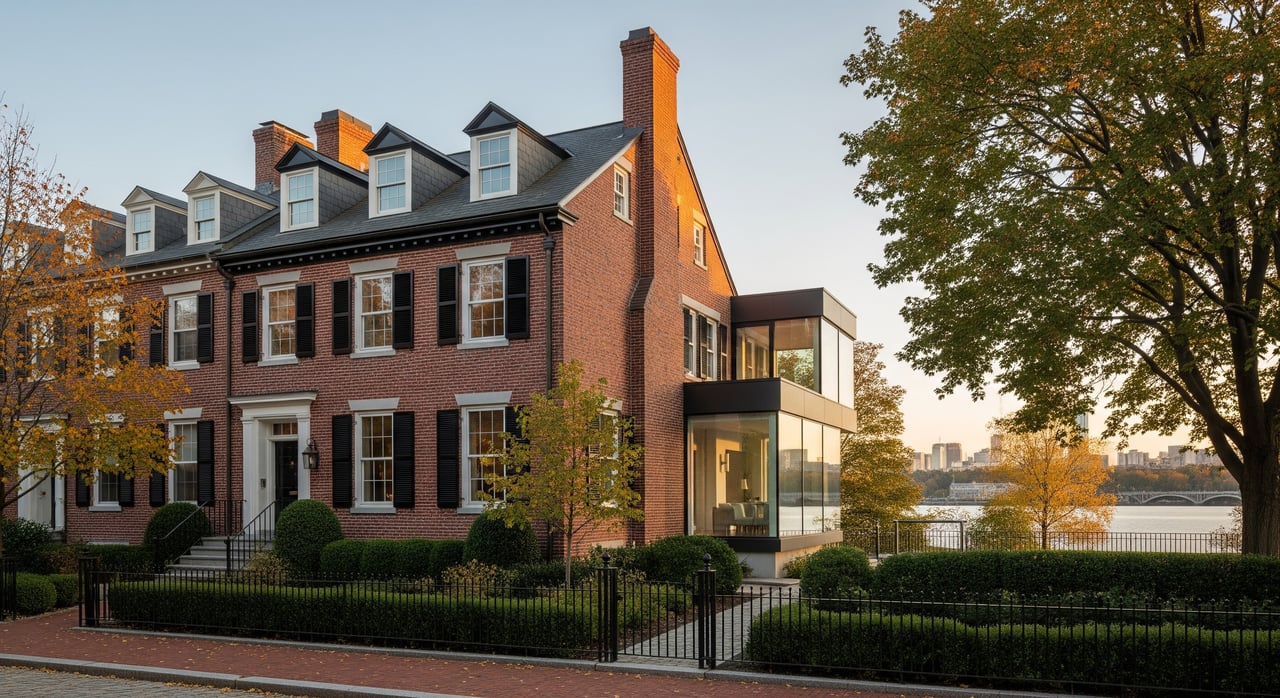
Living in Watertown MA: Everyday Life, Homes & Commute
February 5, 2026
February 5, 2026
If you want a close-in suburb with real city access, Watertown belongs on your shortlist. You get a small-town rhythm, riverfront paths, and lively pockets of shops and restaurants, all within a short ride to Cambridge and Boston job centers. This guide walks you through neighborhoods, housing options, commuting, schools, amenities, and practical tips so you can decide if the day-to-day fit matches your goals. Let’s dive in.
Watertown sits just west of Cambridge in Middlesex County, inside Greater Boston’s inner ring. It is compact and fairly dense compared with many suburbs, which gives you a mix of walkable commercial hubs and quieter residential streets. The town’s roots include industrial and military history, and recent redevelopment adds modern living, dining, and retail to longtime neighborhood favorites.
You will find a diverse community with one of the larger Armenian-American populations in the U.S., alongside long-term residents and newer professionals who work in Cambridge and Boston. That blend shapes the dining scene, community events, and the feel of everyday life.
Watertown Square is the traditional hub for town services, bus connections, and local shops. You can run errands, grab coffee, and reach municipal offices in a few blocks. Streets just off the square transition to residential, so many homes sit within a short walk of daily needs.
Built around the redeveloped Watertown Arsenal, this district is a modern mixed-use center with retail, entertainment, offices, and newer condos and apartments. It feels energetic and convenient if you prefer newer buildings and amenity-rich living. Many residents choose it for easy access to groceries, fitness, dining, and a quick trip to the river paths.
Closer to the Cambridge line, East Watertown features denser, older housing stock and quick access to Cambridge amenities. Streets here include a mix of two- and three-family homes and low-rise buildings, with independent restaurants and shops sprinkled throughout. If you value proximity to Cambridge and a classic neighborhood vibe, this area is worth exploring.
Moving farther from the river, you will see more single-family homes on tree-lined streets, along with pockets of multifamily housing. Many buyers look here for yard space and a quieter feel while still staying close to town services. Blocks can vary in housing type and price, so it helps to tour widely.
The river is a daily backdrop for walkers, runners, and cyclists. Paths connect into a larger network, so you can get to neighboring towns by bike or on foot. Parks and green spaces along the river make it easy to unplug without leaving town.
Watertown is typically more expensive than many outer suburbs, and often less expensive or similar to nearby Cambridge and parts of Newton and Brookline. Your total cost will vary by neighborhood, housing type, and condition. Condos and apartments are common entry points, while single-family homes command a premium and tend to sell quickly.
Proximity to Cambridge and Boston employers, limited land for large new subdivisions, and targeted infill development all support steady demand. Inventory can swing by season and property type, so having a clear plan helps you move quickly when the right fit appears.
Watertown is served by several MBTA bus routes that connect to Harvard Square, Central Square, and other nearby hubs. There is no subway stop in town, so most public-transit trips involve a bus link to Red Line or Green Line stations in neighboring communities. If you prefer transit, factor in the extra transfer time during rush hours.
You are a short drive from the Mass Pike, with Route 2 and I-95/Route 128 reachable for regional trips. Car commutes are often moderate, but peak-hour congestion near inbound routes can add time. Parking rules vary by street and building, so check local requirements when you tour.
The Charles River paths and local bike lanes make cycling into Cambridge and nearby job centers realistic for many riders. Walkability is solid around Watertown Square, Main Street, and Arsenal Yards. Farther out residential blocks may be more car-dependent for errands.
Typical car commutes to nearby Cambridge or Boston neighborhoods can range around 15 to 30 minutes depending on route and time of day. Your exact timing will depend on where you live, where you work, and the travel mode you choose.
Watertown Public Schools include elementary and middle schools that feed into one public high school. The district is smaller than some neighboring suburbs and offers programs and extracurriculars typical of a mid-sized system. Because school performance can vary by year and campus, it is best to review current state report cards and neutral profiles before making decisions.
Watertown is home to the Perkins School for the Blind, a nationally known institution that also provides services and resources. Additional private and parochial schools are available within a short drive in nearby towns. If you are evaluating alternatives, plan ahead for application deadlines and transportation logistics.
You will find a typical mix of private daycare and preschool options, along with municipal recreation programs and library services. Quality childcare can be competitive, so start your search early and join waitlists if needed. Parks, fields, and youth sports are available across town.
The Charles River corridor anchors outdoor life with paths for walking, running, biking, and access points for water activities. Local parks and playgrounds dot the town and support community events and sports. Mount Auburn Cemetery, adjacent to Watertown, offers renowned landscaping and quiet walking routes.
Arsenal Yards brings destination retail, grocery shopping, fitness, and entertainment together in one walkable district. Watertown Square and Main Street add independent shops, bakeries, and neighborhood services. The culinary scene reflects the town’s diversity, including a strong Armenian and Middle Eastern presence alongside international options.
Expect seasonal events, farmers markets, and activities around community centers and town squares. If you want more nightlife or cultural institutions, nearby Cambridge is a short ride away. The combination makes it easy to fill your week without long drives.
Watertown is generally considered a safe inner-ring suburb. As with any town, crime levels vary by block and type, so review recent police reports or crime-mapping tools if you want a deeper comparison.
Local property tax rates vary by town in Massachusetts and factor into your total monthly cost. When you compare homes across Watertown, Cambridge, Newton, and other nearby communities, look at taxes, insurance, utilities, and any HOA fees to see the full picture.
Much of Watertown consists of established neighborhoods with limited new single-family construction. Recent redevelopment shows support for mixed-use and infill housing in specific areas. If you are planning a renovation or conversion, review local zoning and permitting early so you can budget and time your project correctly.
Watertown’s close-in location, river access, and updated retail and entertainment options help support long-term demand. Condos near amenities often draw consistent interest, while older multifamily homes appeal to investors and owner-occupants seeking rental income. Single-family homes in well-situated neighborhoods tend to hold value due to limited supply.
Choose Watertown if you want a shorter commute, a lively but manageable pace, and a range of housing types from vintage two-families to new mixed-use residences. The town offers walkable pockets, riverfront recreation, and a diverse dining scene. If you need direct rail service on your doorstep or larger lots, you may prefer a different suburb, but many buyers find the tradeoffs here to be well worth it.
If Watertown feels like the right fit, your next move is to align your budget, timing, and must-haves with the realities of each neighborhood block. A focused search and strong offer strategy go a long way in a competitive market. For tailored advice, tours of the micro-areas, or help weighing renovation potential and financing, connect with Zahra Zoglauer for local guidance.


Experience a real estate journey defined by dedication, personalized service, and a deep understanding of Massachusetts’ vibrant communities. Whether you’re buying, selling, or simply exploring, Zahra’s expert guidance ensures a smooth and rewarding process tailored to your needs.