Watertown MA Pre-Listing Updates That Maximize Value
February 19, 2026
February 19, 2026
Thinking about selling your Watertown home in the next year but unsure which fixes are worth it? You are not alone. With buyers getting more choices across Middlesex County, the right pre-listing updates can help you stand out and protect your bottom line. In this guide, you will see which projects typically return the most at resale in our market, how to budget by timeline, and what to skip if you are listing soon. Let’s dive in.
Watertown’s median sale price recently hovered around $805,000 with homes spending about 42 days on market, according to the latest snapshot of the Watertown housing market. Across Middlesex County, the median sits near $795,000, and inventory is higher than the tightest periods of 2021–2022, which gives buyers more options and time to compare finishes and condition. You can see those county trends on Realtor.com’s Middlesex County report.
What that means for you: presentation and pricing strategy matter. Well-chosen updates can lift buyer confidence, sharpen your photos, reduce time on market, and prevent inspection renegotiations.
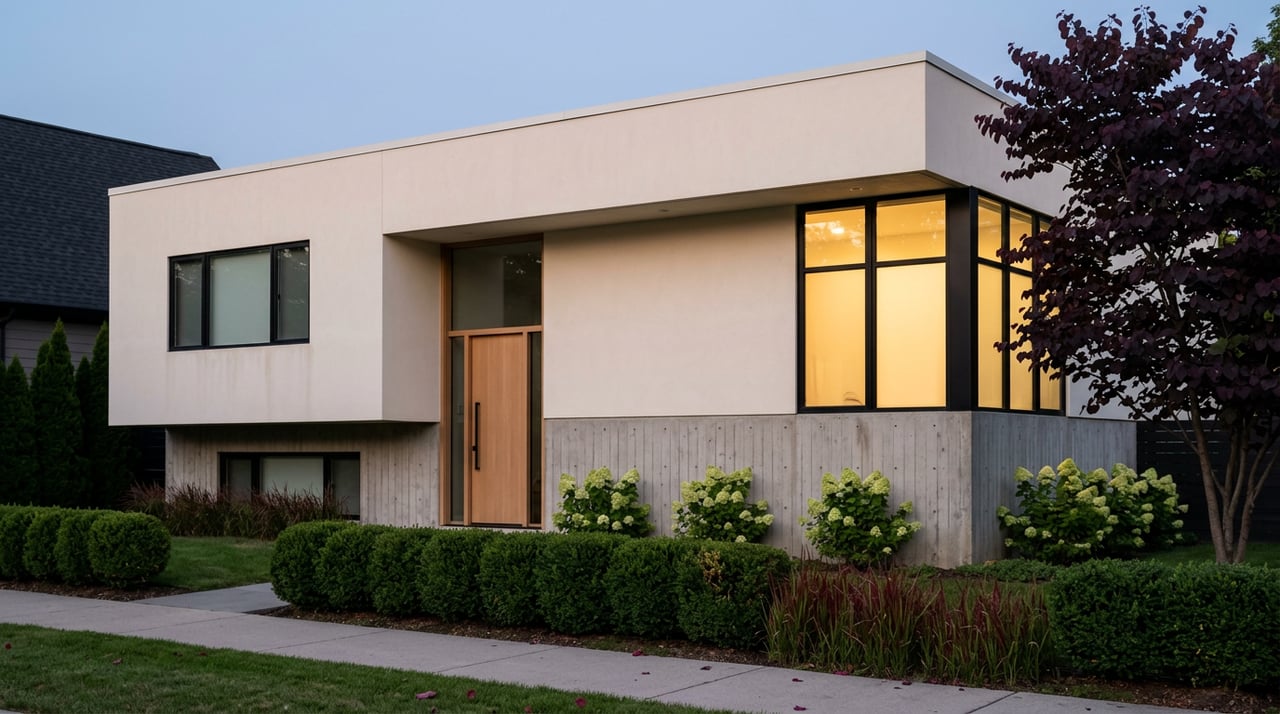
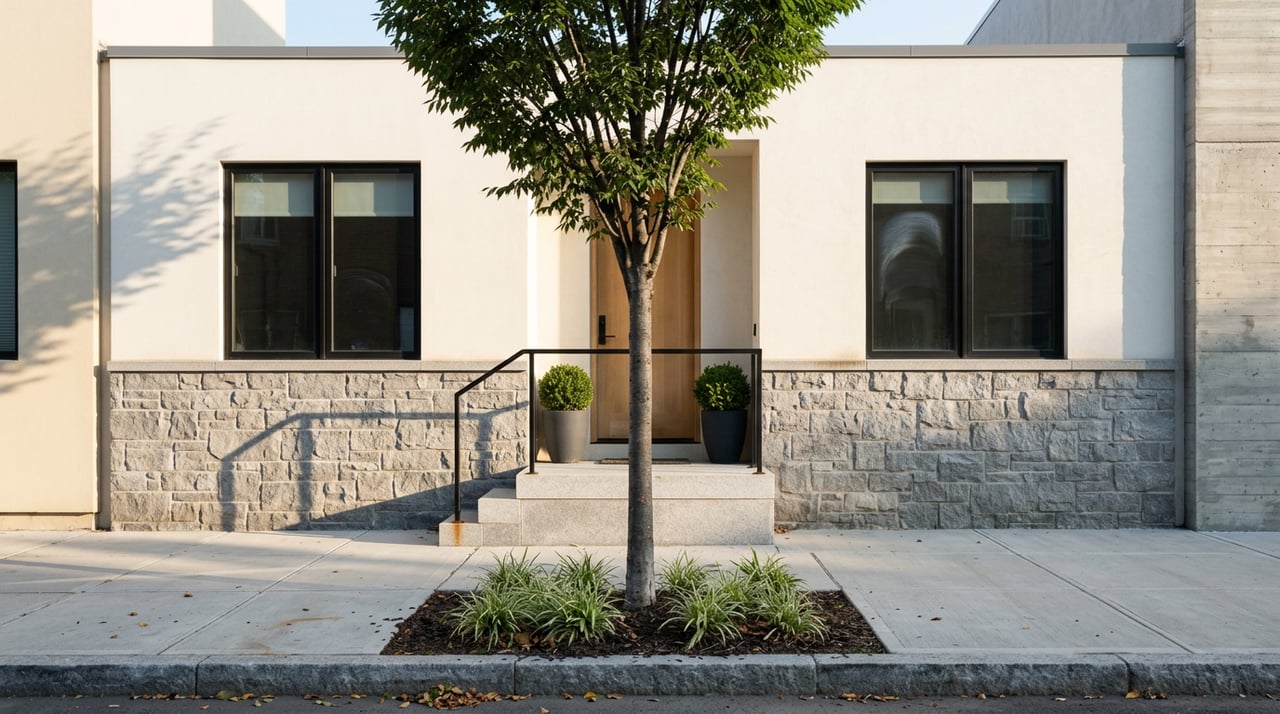
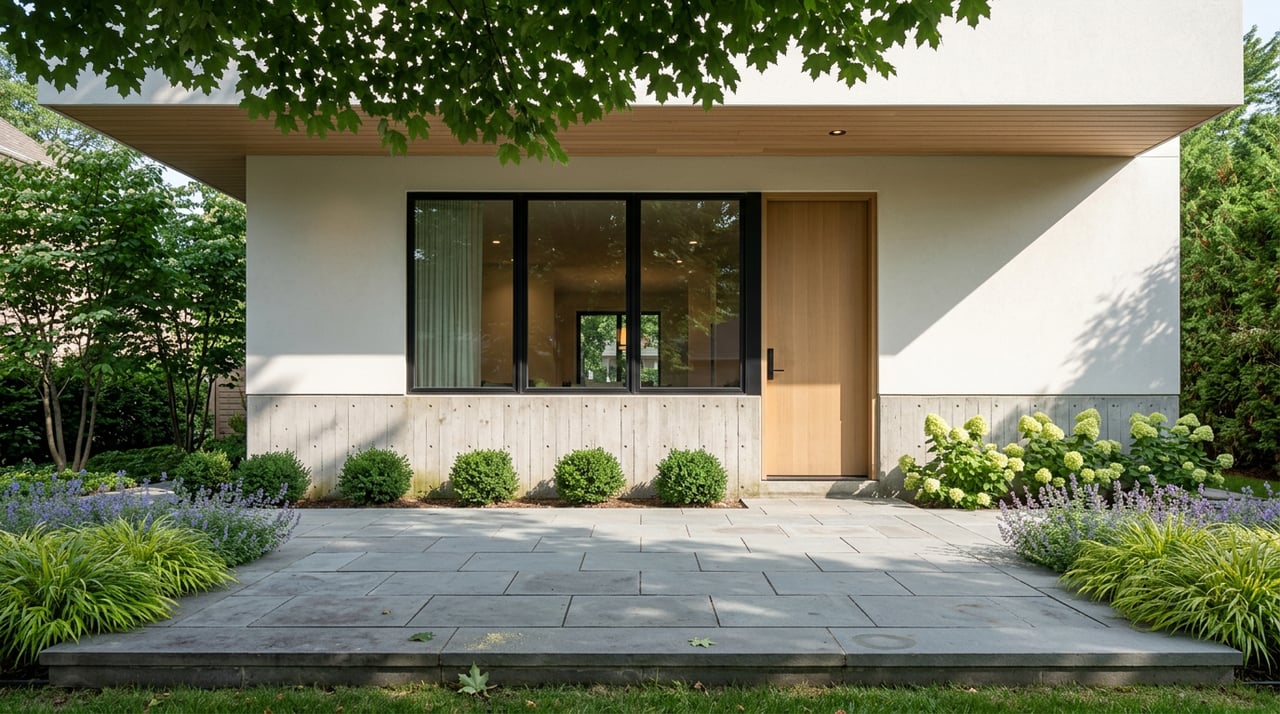
Curb appeal is often your best first dollar spent. Regional Cost vs. Value data for Boston and New England points to several exterior projects that reliably recoup a high share of cost at resale.
Local note: some exterior work requires permits and coordination. Watertown’s DPW outlines street-opening and site-work requirements, inspections, and timing on its Public Works Permits page. Build permit windows into your schedule.
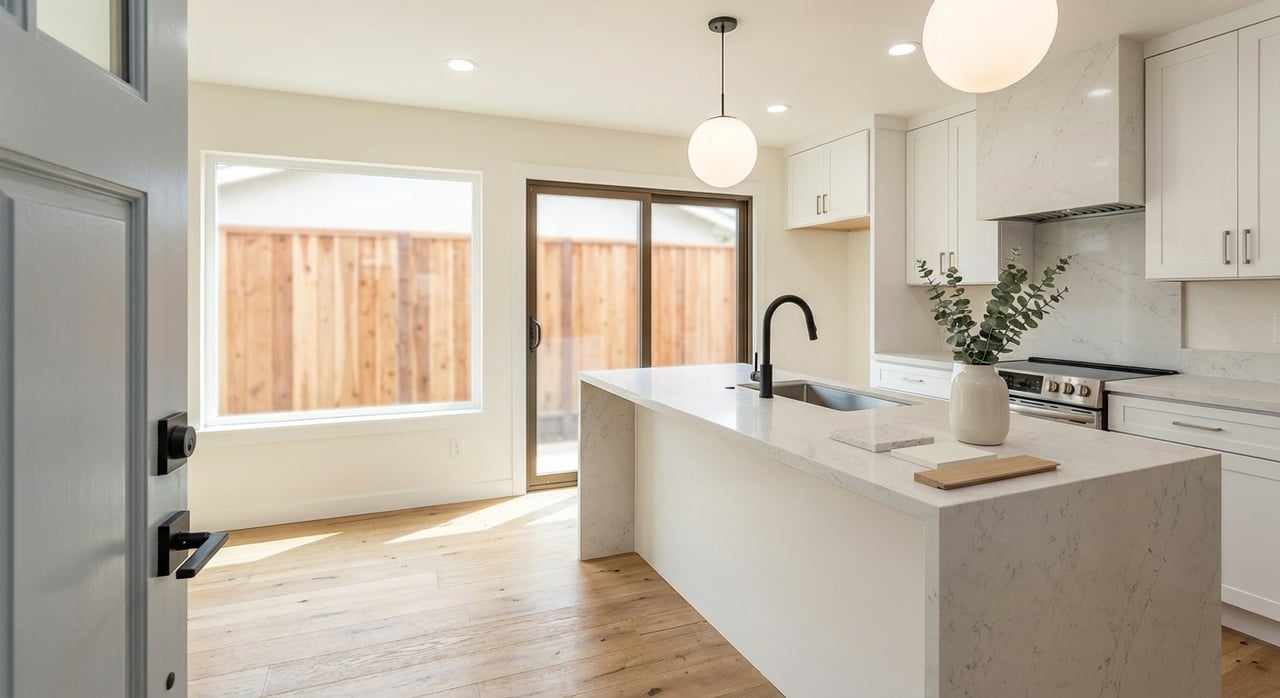
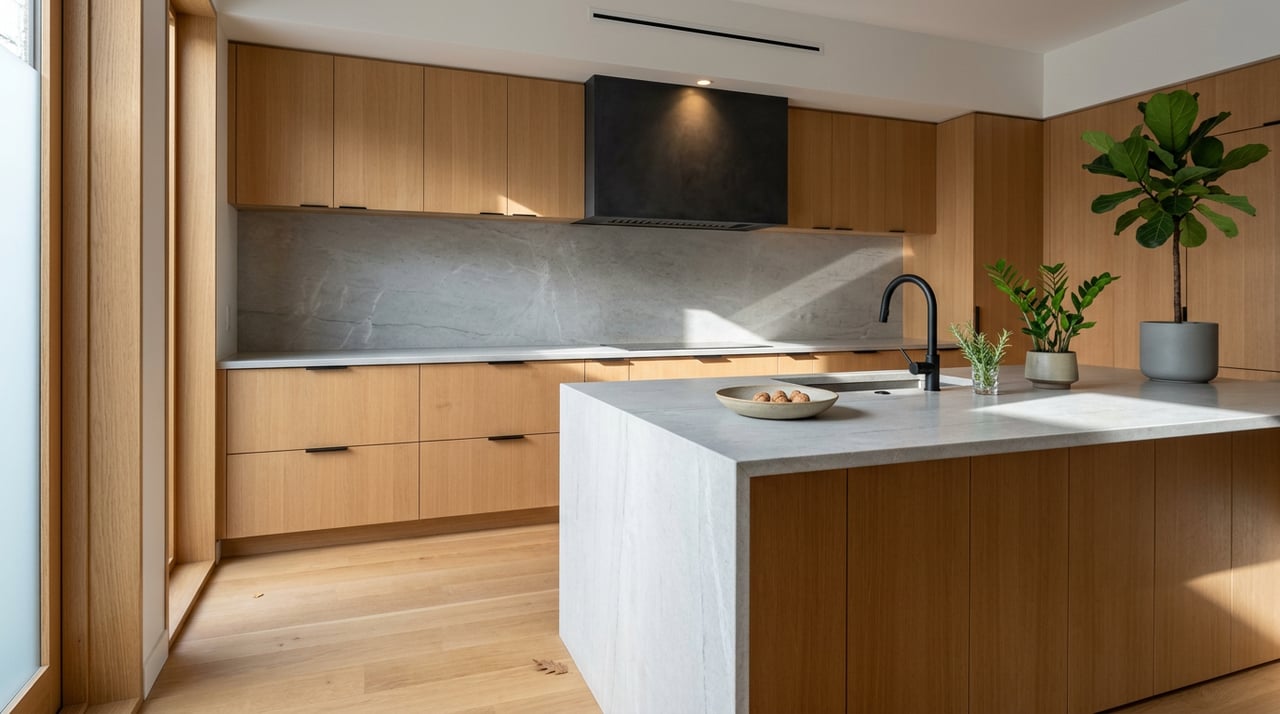
Small-scale kitchen refreshes tend to outperform major gut renovations when you plan to sell within 6 to 18 months.
Quick math: with a Watertown median near $805,000, a minor midrange kitchen around $28,500 is about 3.5% of home value, and CVV shows the potential to recoup more than 100% in many New England samples. A major kitchen near $82,000 is closer to 10% of value and usually under-recovers.
Midrange bathroom remodels are consistent performers in New England, often recouping about 80% to 90% of cost. Focus on a fresh vanity, modern lighting, clean tile and grout, efficient fixtures, and any water-damage repairs. Upscale, luxury baths rarely return well within a short sale window. You can compare scope and outcomes in the Cost vs. Value tables.
Whole-home neutral paint, careful flooring touch-ups or refinishing, and professional staging are high-impact, budget-friendly moves. The National Association of REALTORS reports that staging reduces time on market and often nudges offers higher. Review the highlights of NAR’s findings in their staging report.
Tips you can act on quickly:
If your heating or cooling is near the end of its life, replacement before listing can remove buyer objections and inspection risk. In Massachusetts, Mass Save offers significant rebates for air-source heat pumps and 0% HEAT Loan financing for eligible projects. Start with the Mass Save heat pump rebates page to confirm current incentives and approved installers.
Solar is different. In New England Cost vs. Value samples, solar typically shows a lower resale recoup percentage than many exterior projects. Solar can still be a good long-term personal investment if you will capture energy savings over time, but it is rarely a top pre-listing priority here. See the CVV regional benchmark.
Note: Some academic studies find market premiums for energy-efficient homes, but CVV measures what buyers and agents expect to be priced in at sale, which can differ. You can skim a broader view of “green premiums” in this research overview.
For a 6 to 18 month sale horizon, avoid large, bespoke projects that commonly under-recover in Boston/New England:
Cost vs. Value shows these categories often recoup well under 60% locally. Review the regional CVV tables to compare.
If your home is 50 years or older or located near a local historic district, exterior changes may prompt review. Learn about potential demolition-delay review on the Watertown Historical Commission page.
Your timeline should shape your scope. Here is a practical way to plan.
Permits: Routine site, driveway, or street-related work is handled through DPW. Building, electrical, plumbing, or mechanical permits go through Inspectional Services. Plan for processing time and inspections. Review DPW rules on the Public Works Permits page.
Hiring contractors: Get at least three written bids with itemized scope and allowances. Verify licenses for electrical and plumbing trades, call references, and structure payments with lien waivers. Hold a contingency of about 10% for overruns. Harvard’s remodeling outlook notes growth is slowing, which can ease pressures, but scheduling still takes planning. See JCHS’s latest LIRA update on remodeling trends.
Financing options: Depending on your situation, consider savings, a HELOC, a home equity loan, or an FHA 203(k) in certain cases. Bankrate provides a simple overview of how to pay for projects here: home improvement financing options. For eligible energy upgrades, look at Mass Save’s 0% HEAT Loan and rebates.
Ready to prioritize your list, line up trades, and time your sale for the best result? Let’s build a plan that fits your home, budget, and timeline. Schedule a consultation with Zahra Zoglauer to get a personalized, data-driven roadmap for your sale.
Experience a real estate journey defined by dedication, personalized service, and a deep understanding of Massachusetts’ vibrant communities. Whether you’re buying, selling, or simply exploring, Zahra’s expert guidance ensures a smooth and rewarding process tailored to your needs.